
Do I Have to Use My Insurance Company's Contractor in Arizona?
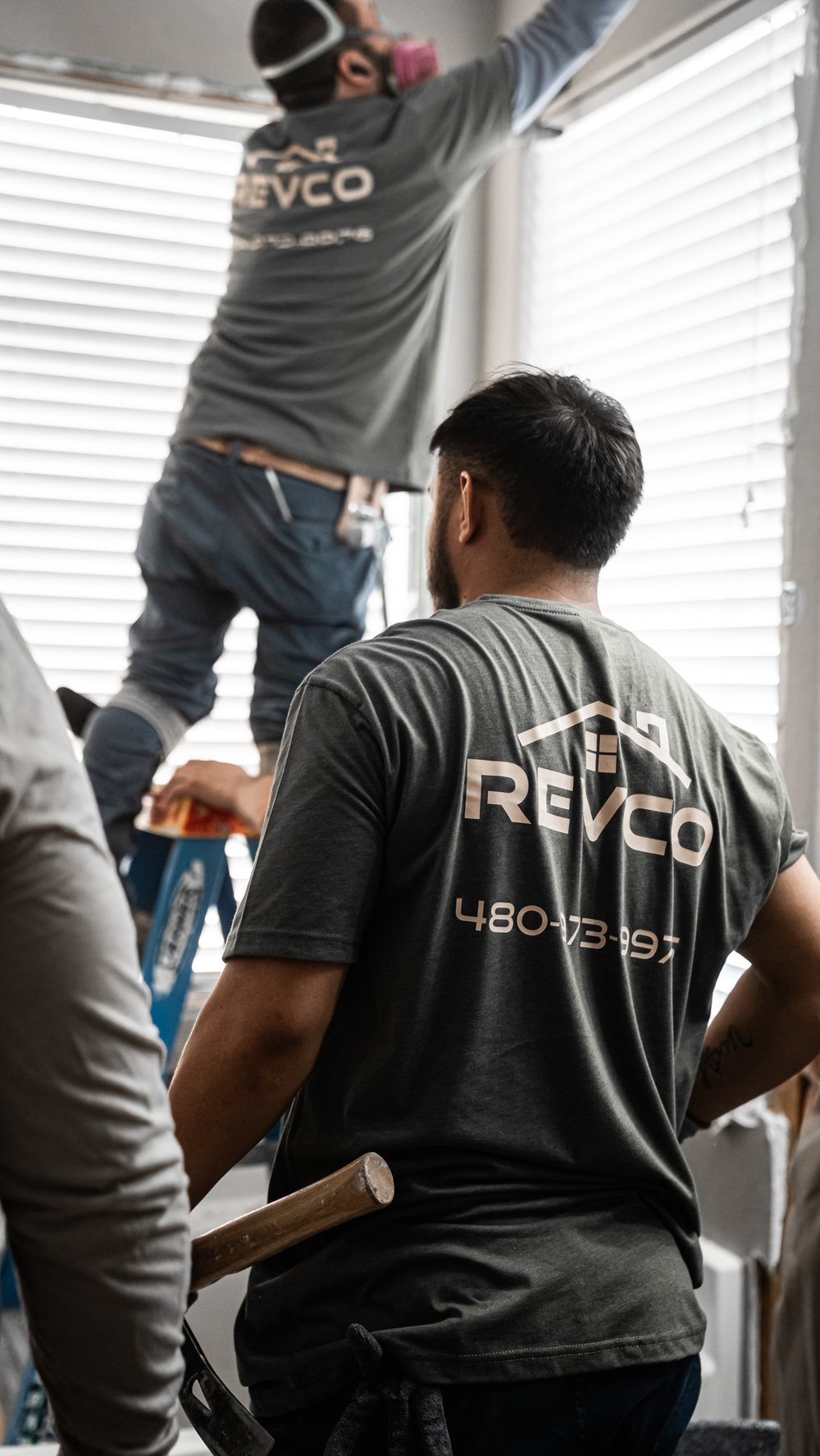
No, you do not have to use your insurance company's contractor. In Arizona, as in every U.S. state, you have the right to choose your own licensed contractor to repair or rebuild your home after a covered loss. Your insurer can recommend a "preferred" or "program" vendor, but it cannot require you to hire one. Your coverage is based on your policy and the agreed scope of damage, not on which contractor holds the hammer.
If your Mesa or East Valley home just took on water from a burst pipe or slab leak, or you're staring at fire or monsoon damage, an adjuster or a "preferred" contractor can show up fast, sometimes within a day. A lot of homeowners assume they have to go with whoever the insurance company sends. You don't.
You are the homeowner and the policyholder, which means you choose the licensed contractor who rebuilds your home. The insurance company's job is to pay for the covered damage under your policy. Who does the work is your call, and it matters more than most people realize: the contractor you pick is the one who documents your damage and argues your scope with the adjuster.
What is a "preferred," "recommended," or "program" contractor?
When an insurer offers to send someone out, that company is usually part of a preferred vendor program (you'll also hear "recommended contractor," "program contractor," "managed repair," or "direct repair network"). These contractors have an ongoing relationship with the insurance company and often agree to the insurer's pricing and processes in exchange for a steady stream of referred jobs.
Plenty of preferred vendors do good work, so this isn't about calling them bad. It's about the incentive. A contractor who relies on an insurer for future referrals answers to two customers: you, and the company that keeps those referrals coming. Most of the time that's fine. It stops being fine the moment your rebuild needs a bigger scope than the insurer wants to pay for.
The fastest way to accidentally give up your choice is to sign a work authorization or contract with the first company that shows up. Signing it can obligate you to that contractor. You are allowed to say, "I want my own licensed contractor to review this first," and hold off. Never feel rushed into signing on your doorstep.
Preferred vendor vs. your own contractor
Here's the practical difference between letting the insurer assign a vendor and hiring your own independent, licensed reconstruction contractor.
- Has an ongoing referral relationship with the insurance company
- Often pre-agrees to the insurer's pricing and scope software
- May have less incentive to push back on an underpaid estimate
- Accountable to two parties: you and the insurer
- Convenient and fast to assign
- Answers to you first, one accountable team
- Documents the full extent of damage with photos and 3D scans
- Writes and defends a complete scope with your adjuster
- Files supplements when hidden damage shows up mid-rebuild
- You still choose finishes, timeline, and communication
Can my insurance company force me to use their contractor?
They can suggest. They can't require.No. An insurer can suggest a vendor, and it can decline to pay more than a reasonable cost to repair the damage, but it cannot make you hire a specific company. Steering, meaning pushing you toward a particular contractor or hinting that your claim will go smoother if you use their vendor, can run up against Arizona's rules on fair claim handling.
Arizona's unfair claim settlement practices standards (in the Arizona Revised Statutes and the Arizona Administrative Code) require insurers to investigate and settle claims fairly, promptly, and in good faith. Your right to choose your contractor sits on top of that. If an adjuster tells you that you must use their preferred vendor, that's your cue to slow down and get your own licensed contractor involved.
Your mortgage lender may be named on the insurance check for larger losses, and there can be an inspection or draw process to release funds. That's normal and separate from your right to choose the contractor. A good reconstruction contractor has done this many times and can walk you through it.
Who pays the contractor: me, the insurer, or the vendor?
This is where people get tangled up, so in plain terms:
- The insurance company pays the claim, usually to you, the homeowner (and sometimes jointly with your mortgage lender), based on the covered scope of damage.
- You pay the contractor for the completed work out of those proceeds.
- You pay your deductible. If your covered damage is $18,000 and your deductible is $2,500, the insurer pays around $15,500 and you cover the $2,500 with your contractor.
Don't leave the second check on the table.Watch how the money arrives, too. Your first check is often the actual cash value (ACV), which is the depreciated amount. The balance, called recoverable depreciation, gets released after the work is finished and documented. On a replacement-cost policy that second payment is real money, and it is easy to leave it uncollected if no one is tracking it. A contractor who knows these policies will.
If a contractor offers to waive, eat, or rebate your deductible, walk away. It is illegal in Arizona and treated as insurance fraud, and it tells you exactly how that company does business. Your deductible is yours to pay, and a reputable contractor will say so plainly.
Why do so many homeowners choose their own contractor?
Mostly it comes down to who is advocating for you. The claims that go wrong are rarely the dramatic denials. They are the quiet underpayments: an estimate that misses the damage behind a wall, or lowballs what it actually costs to rebuild. Catching that is your contractor's job, but only if your contractor works for you.
A homeowner-first reconstruction contractor will:
- Document the full loss up front, including the damage behind walls and under floors that a quick estimate walks right past.
- Write a detailed, line-item scope and defend it directly with your adjuster.
- File supplements with evidence when concealed damage appears after demo begins.
- Give you one point of contact and real updates instead of a call center.
- Let you upgrade finishes or adjust the layout while the area is already open (you pay the difference; insurance covers restoring what was there).
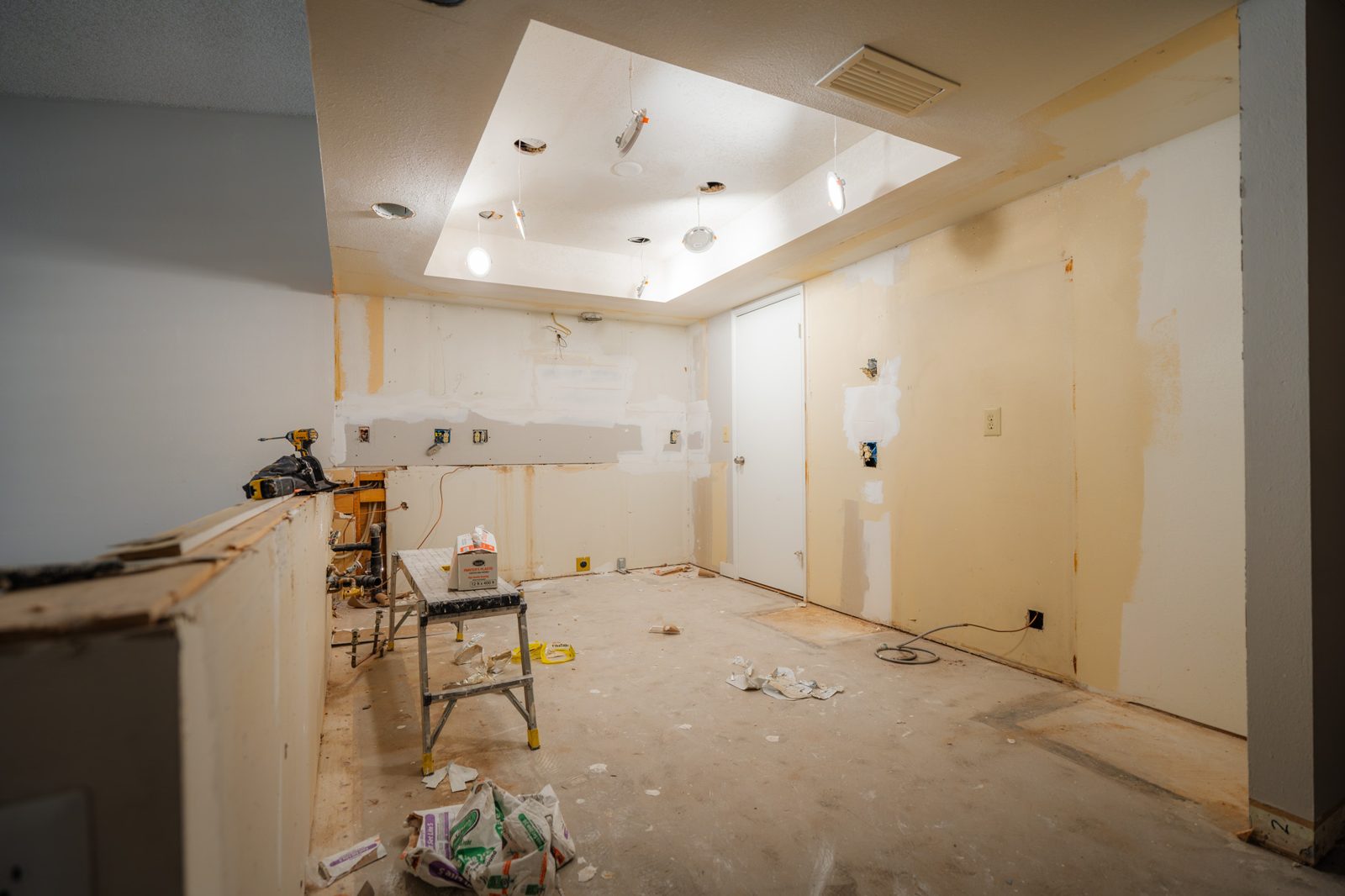

Not sure if your estimate covers everything?
Get a free, no-obligation second read on your damage and scope before you commit to anyone.
What to do in the first 48 hours after damage
Before you sign anything or pick a contractor, protect yourself and your claim:
- Stop the source and get safe
Shut off the water, gas, or power if you can do it safely. Don't enter a structurally unsafe or fire-damaged area.
- Photograph and video everything first
Document the damage before any cleanup or tear-out. This visual record is the backbone of a fair claim.
- Make only urgent, temporary repairs
Tarp the roof, stop the leak. Avoid permanent repairs before the adjuster inspects, or the insurer may not cover them. Keep every receipt.
- Open your claim
Call your insurer to start the claim and write down names, dates, and what's said. Keep a simple claim journal.
- Call your own licensed contractor before signing
Have an independent reconstruction contractor look at the damage and the estimate before you authorize work with whoever arrived first.
Already have a contractor on site? How to switch
Even if a mitigation crew already dried out your home, you are not locked in to them for the reconstruction. Mitigation (water extraction, drying, tear-out) and reconstruction (the rebuild) are different jobs and are often done by different companies. As long as you haven't signed a binding reconstruction contract, you can switch. The steps:
- Check what you've signed
A work authorization for emergency mitigation is not the same as a contract to do the full rebuild. Read what you signed before assuming you're committed.
- Request the insurer's estimate
Ask your adjuster for a copy of the written estimate and scope so your contractor can review it line by line.
- Get your own contractor's review
A licensed reconstruction contractor will compare the scope to the actual damage and flag anything missing or underpaid.
- Put your choice in writing
Formally engage the contractor you want and let your adjuster know who's doing the reconstruction. Then the rebuild proceeds on an accurate scope.
- You are not required to use your insurance company's preferred or recommended contractor.
- Your coverage depends on your policy and the scope of damage, not on which contractor you hire.
- The insurer pays the claim; you pay the contractor and your deductible.
- A contractor offering to waive your deductible is a fraud red flag.
- You can switch contractors until you've signed a binding reconstruction contract.
- Choosing your own contractor gives you an advocate who defends the full scope.
How Revco works with your insurance
Revco Restoration is a licensed Arizona contractor (AZ ROC #362994), bonded and insured, rebuilding homes across Mesa, Gilbert, Chandler, Tempe, Queen Creek, and the greater East Valley. When you choose us, we work your claim from the first call to the final walkthrough:
- We inspect and capture 3D scans and photos so the loss is fully documented.
- We build and defend a detailed scope directly with your adjuster.
- We handle supplements when hidden damage appears during the rebuild.
- You get one point of contact and real weekly updates.
- We rebuild after water, fire & smoke, and storm & monsoon damage, and we can roll a remodel into the same project while the space is open.
For a deeper walk-through of the whole process, see how insurance reconstruction works or browse our frequently asked questions.
This article is general information about the home insurance claim process in Arizona and is not legal advice. Policies and situations vary. Review your own policy, and for questions about your rights you can contact the Arizona Department of Insurance and Financial Institutions or a qualified Arizona attorney. Revco Restoration is a licensed contractor, not an insurance company, public adjuster, or law firm.
Frequently asked questions
No. You are not required to use your insurance company's preferred or recommended contractor. In Arizona, as in every state, you have the right to choose your own licensed contractor. Your insurer can recommend a vendor, but it cannot require you to use one.
No. An insurer can suggest a preferred or program vendor, but it cannot compel you to hire them. Pressuring or steering you toward a specific contractor can run afoul of Arizona's unfair claim settlement practices rules. You choose who works on your home; the insurer's job is to pay the covered scope.
No. Your coverage is based on your policy and the agreed scope of damage, not on which contractor you hire. A qualified independent contractor documents the full loss and works with your adjuster so the claim reflects what it actually costs to rebuild. You still pay your deductible either way.
Insurance companies typically issue the claim payment to you, the homeowner (and sometimes jointly with your mortgage lender). You then pay the contractor for the completed work, including your deductible. A contractor who offers to waive or absorb your deductible is committing insurance fraud.
Yes, as long as you haven't signed a binding contract or work authorization for the reconstruction. Even a mitigation company that dried out your home doesn't have to do the rebuild. Get a copy of the insurer's estimate, have your own licensed contractor review it, and formally engage the contractor you choose before permanent repairs begin.
A preferred, program, or "recommended" contractor is part of the insurer's vendor network and has an ongoing relationship with the insurance company. Your own independent contractor works for you. Both can do good work, but only one is accountable to you first, which matters when the scope is incomplete or the claim is underpaid.
Keep reading

How Insurance Reconstruction Works
The full claim process: mitigation versus reconstruction, scope, supplements, and who pays.
Water Damage Reconstruction
Burst pipes, slab leaks, and monsoon flooding, and how the rebuild works and what's covered.
Reconstruction & Claims FAQ
Quick answers on timelines, 3D scanning, deductibles, staying in your home, and more.
Get a straight read on your claim
You choose your contractor. Make it the one that works for you. Free assessment, no obligation.
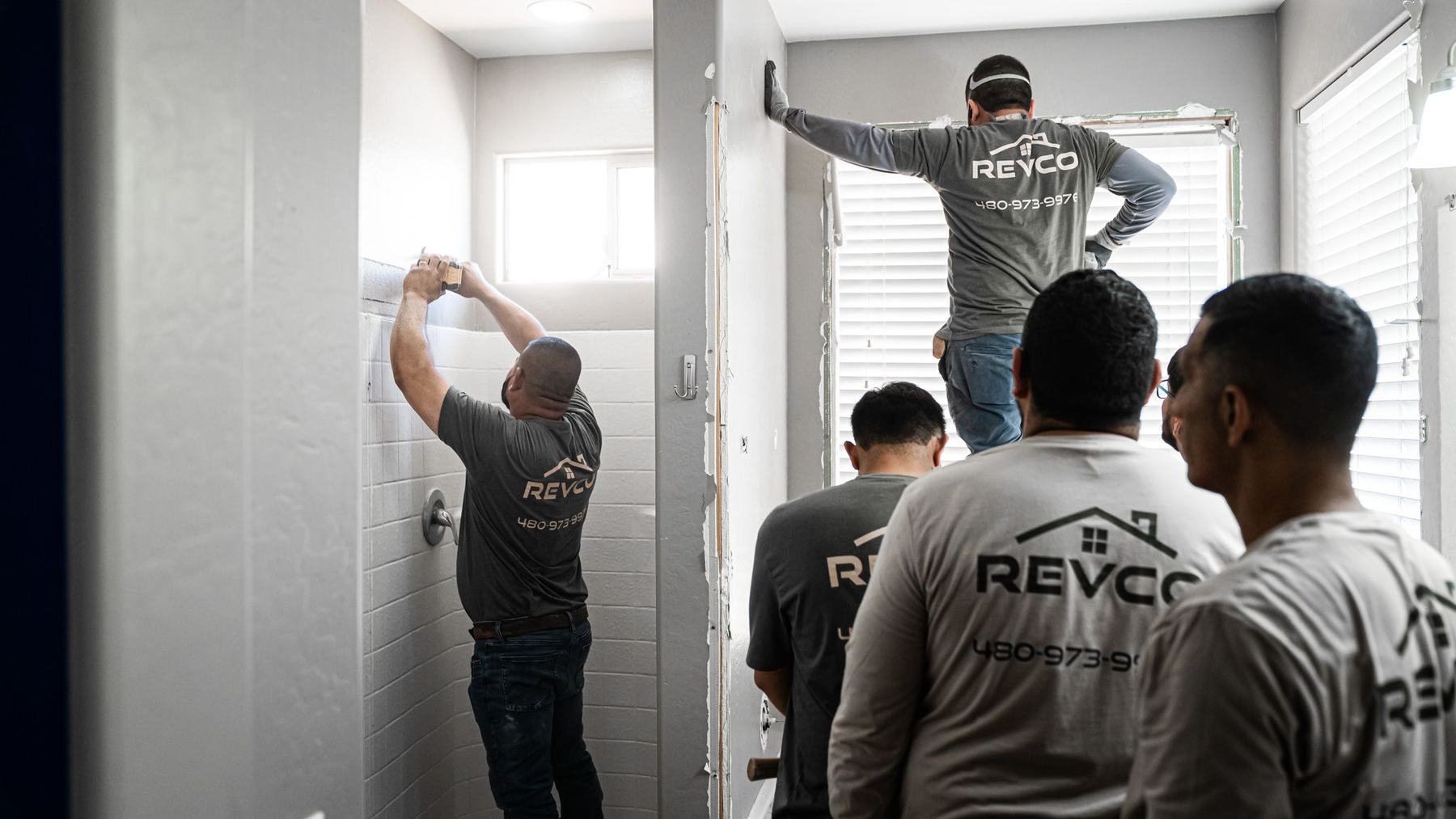
The Revco team